
Technical Manufacturing Guide: Prototyping & Industrial Production
Optimising processes from early design stages to final parts.
At Ineo, we combine additive manufacturing, CNC machining and advanced production technologies to deliver accurate, production-ready solutions. This guide outlines our manufacturing capabilities and key selection criteria for each stage of your project, from prototyping to short and medium series.
Based in Barcelona (Spain), we support engineering teams and industrial companies across Europe and internationally.
Your Manufacturing Engineering, Without Uncertainty
In an industrial environment where time-to-market and mechanical accuracy define project success, choosing the right manufacturing technology is not just another decision — it is a key strategic one.
At Ineo, we know that behind every CAD file there is a real challenge: a critical functional validation, a tooling component that must optimise an assembly line, or a production batch that demands consistent repeatability. That is why we have built a manufacturing ecosystem that combines additive manufacturing with advanced industrial processes, covering the full product lifecycle.
From the design freedom of professional 3D printing (MJF, SLS, SLA, FDM, SLM) to the robustness of CNC machining, vacuum casting and injection moulding, our capabilities scale with your project needs. We don’t just produce parts - we provide the technical guidance to ensure every component is made with the right material, tolerances and manufacturing process from the start.
Explore our Technical Guide and see how we can turn your designs into tangible, production-ready industrial solutions.
1. Professional 3D Printing Technologies (Additive Manufacturing)
Additive manufacturing enables highly complex geometries that are difficult or impossible to achieve with traditional methods, while also eliminating tooling costs.
Technology | Technical Overview | Key Materials | Recommended Applications | More information |
|---|---|---|---|---|
MJF (Multi Jet Fusion) | Thermal energy fusion process. High build speed and isotropic part properties. | PA12 polyamide (ESD, FR, GB grades), TPU elastomer | Serial production and robust functional parts. | |
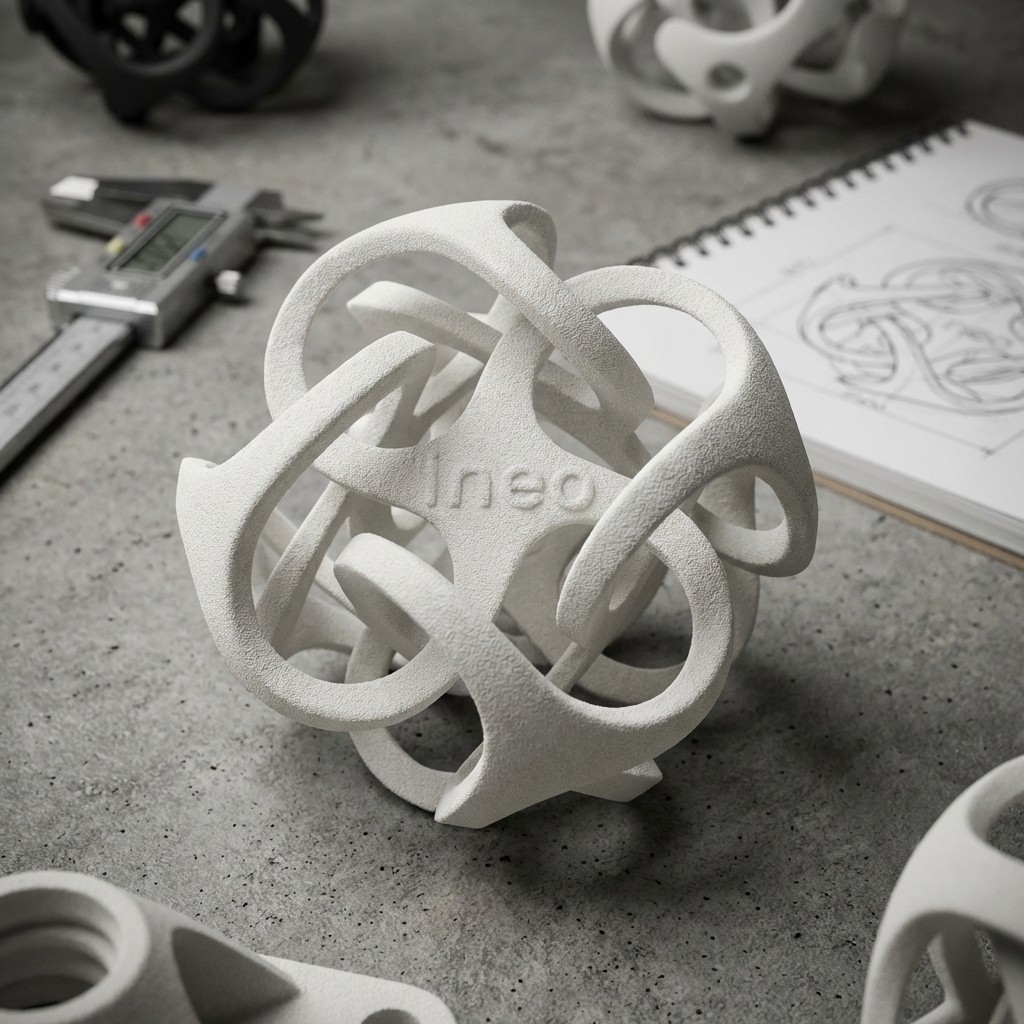
SLS (Laser Sintering) | Laser powder fusion. No supports required. | PA12, PA11 (ESD, FR, GB) | Functional prototypes, complex internal cavities parts, and serial production. | |
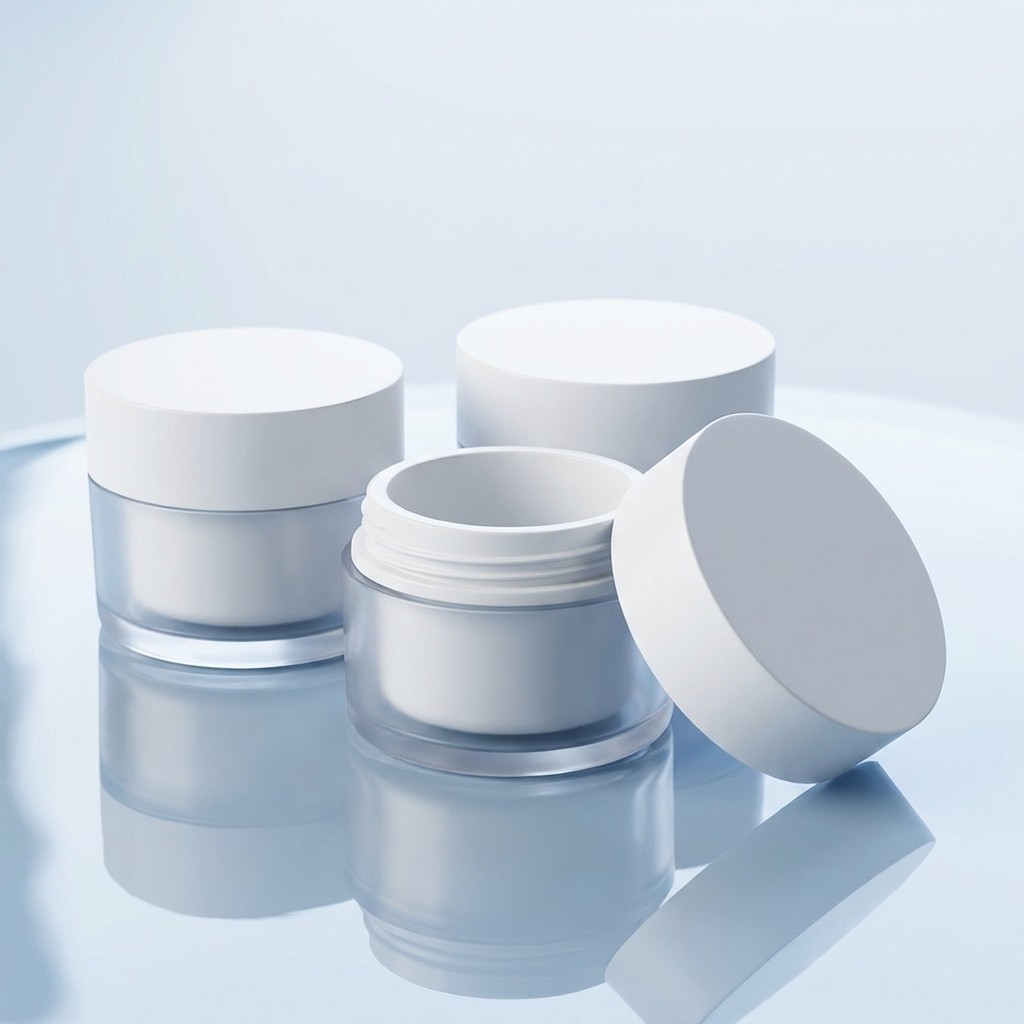
SLA (Stereolithography) | UV light resin polymerisation. | Epoxy resins, transparent | High resolution models, master models, jewellery, food, medical and pharmaceutical products. | |
FDM (Fused Deposition Modelling) | Thermoplastic filament extrusion. | PLA, ABS, PETG, TPU/TPE, ULTEM, ABS/PC | Industrial jigs & fixtures, end-use parts, and small and large-format prototypes. | |
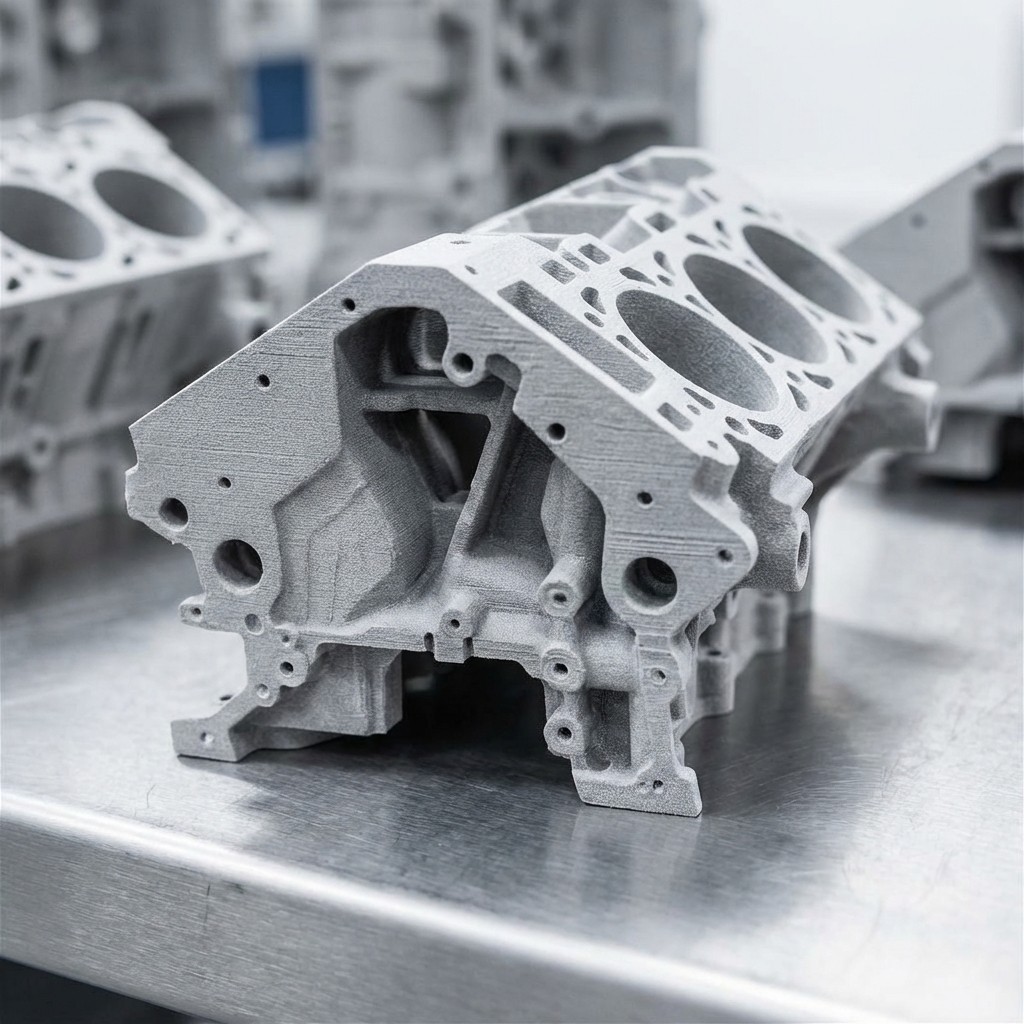
SLM (Selective Laser Melting) | Layer-by-layer metal powder fusion. | Steel, Titanium, Aluminium | Lightweight metal components for transport, industry, and the medical sector. Especially suitable for complex geometries. |
Quick Guide: Selection of 3D Printing Technology according to Priorities
Technology | Precision | Cost | Production Speed |
|---|---|---|---|
SLA (Resin) | ⭐⭐⭐⭐⭐ | 💶💶💶💶 | ⭐⭐⭐ |
SLS (Laser Sintering) | ⭐⭐⭐ | 💶💶💶 | ⭐⭐⭐⭐ |
MJF (Multi Jet Fusion) | ⭐⭐⭐ | 💶💶💶 | ⭐⭐⭐⭐⭐ |
FDM (Filament) | ⭐⭐ | 💶💶 | ⭐⭐ |
SLM (Metal) | ⭐⭐⭐⭐ | 💶💶💶💶💶 | ⭐ |
Precision: Quality of finishes and critical tolerances. Cost: Cost of the technology. Production Speed: Speed of manufacture of the pieces.
SLA 3D printing excels in precision with almost invisible layers using liquid resin, while FDM is the most economical option for basic prototypes despite its finishing limitations. In terms of speed, the MJF is unbeatable when processing complete layers simultaneously, offering a very competitive cost per piece in short series. On the contrary, the SLM represents the greatest investment due to the use of metal powder and controlled atmospheres, although it offers exceptional precision for complex metal components.
2. Other manufacturing technologies
For projects that require very specific mechanical properties or high-demand surface finishes.
Technology | Description | Capacity | Tolerances | Best For | Key Benefit | More information |
|---|---|---|---|---|---|---|
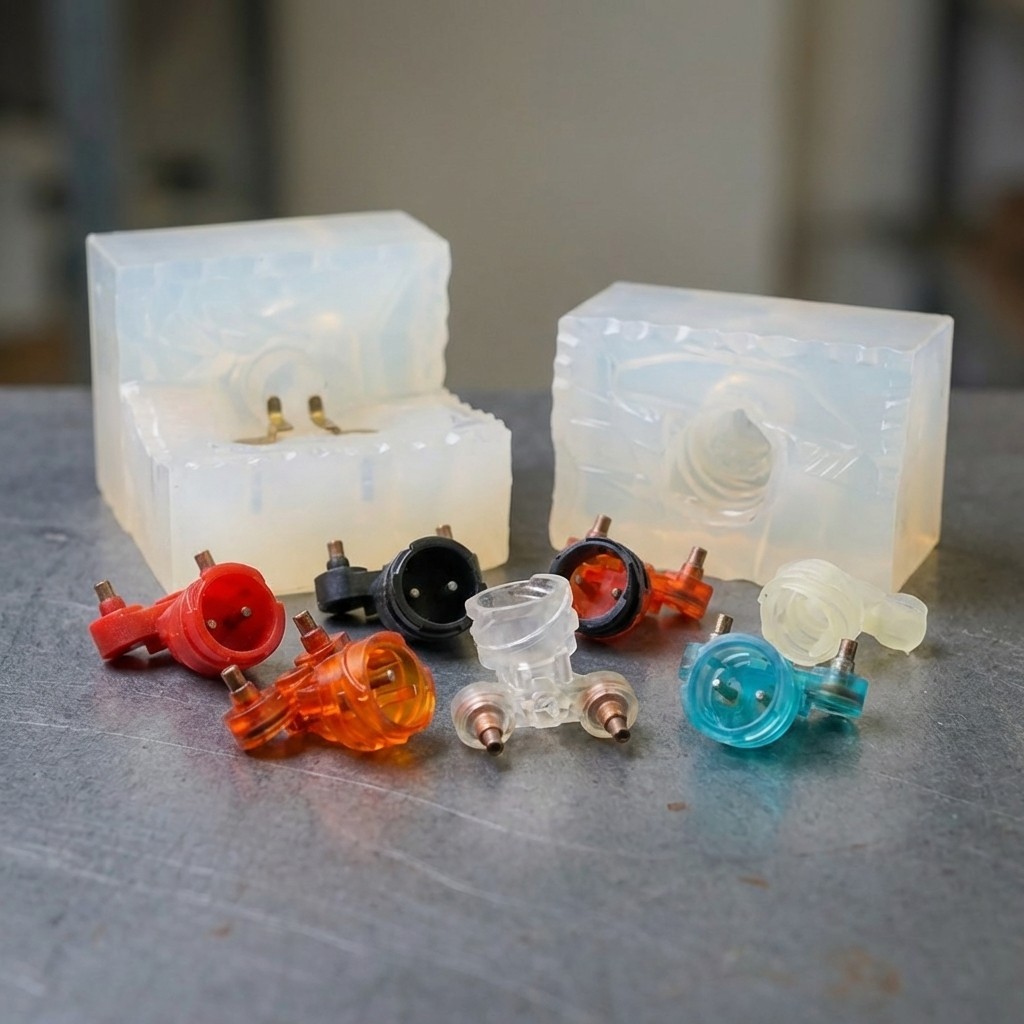
Vacuum Casting (Silicone Molds) | The bridge technology between 3D printing and final injection moulding | Series of 10 to 50 units, for parts with maximum dimensions between 30 and 100 cm | Approximately ±0.5% (minimum deviation ±0.5 mm) from the nominal dimension, depending on the material shrinkage. | High aesthetic functional prototypes, casings with specific textures, transparent parts and over-molded (bimaterial). | Allows you to produce plastic parts in small batches replicating final injection-moulded properties (ABS, PC, rubbers) with minimal tooling investment. | |
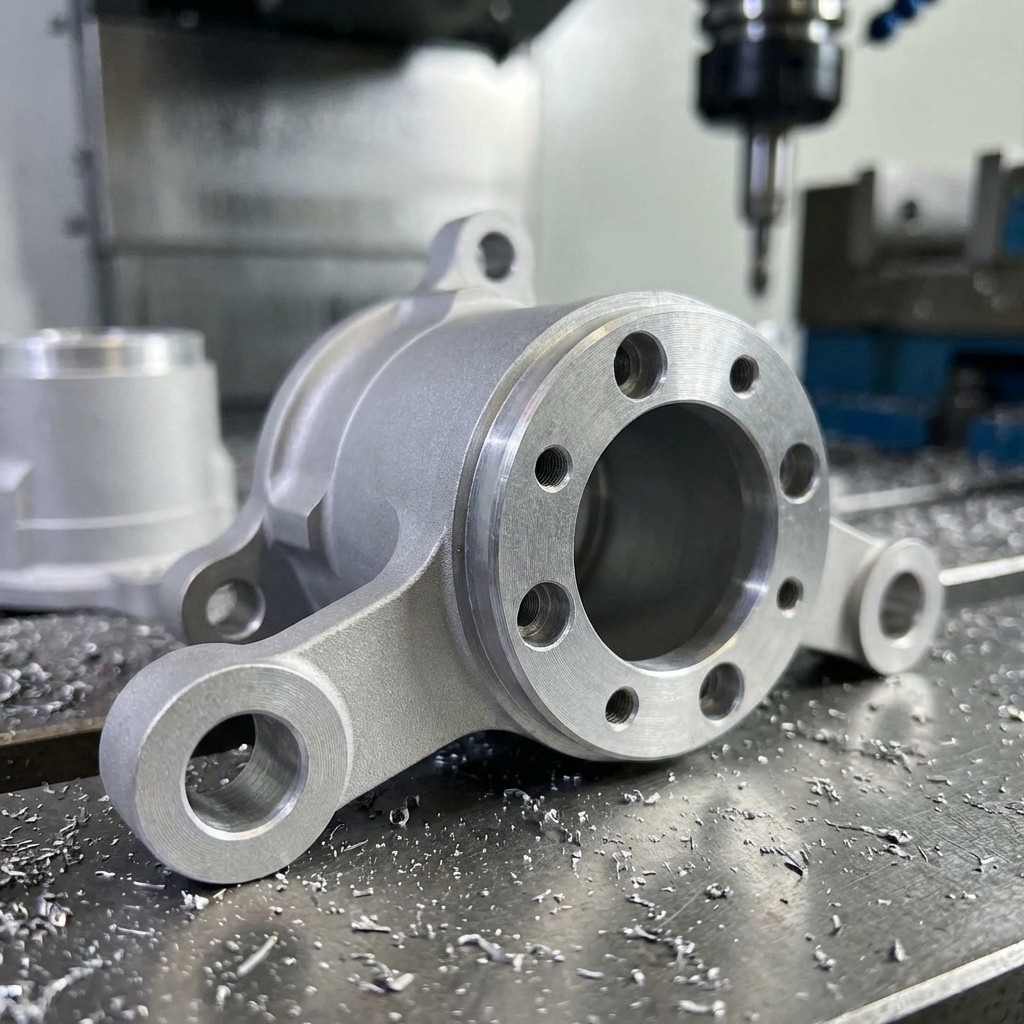
CNC Machining | We use machining centers to work on blocks of metallic material, technical plastics and other materials | From unique prototypes (1 unit) to medium series of 500 units | Up to ±0.01 mm (depending on the geometry and the material). | Final parts of high mechanical resistance, threads and critical adjustments. | Maximum structural resistance when using blocks of certified material, excellent surface finishes (Ra 0.8 to 3.2). | |
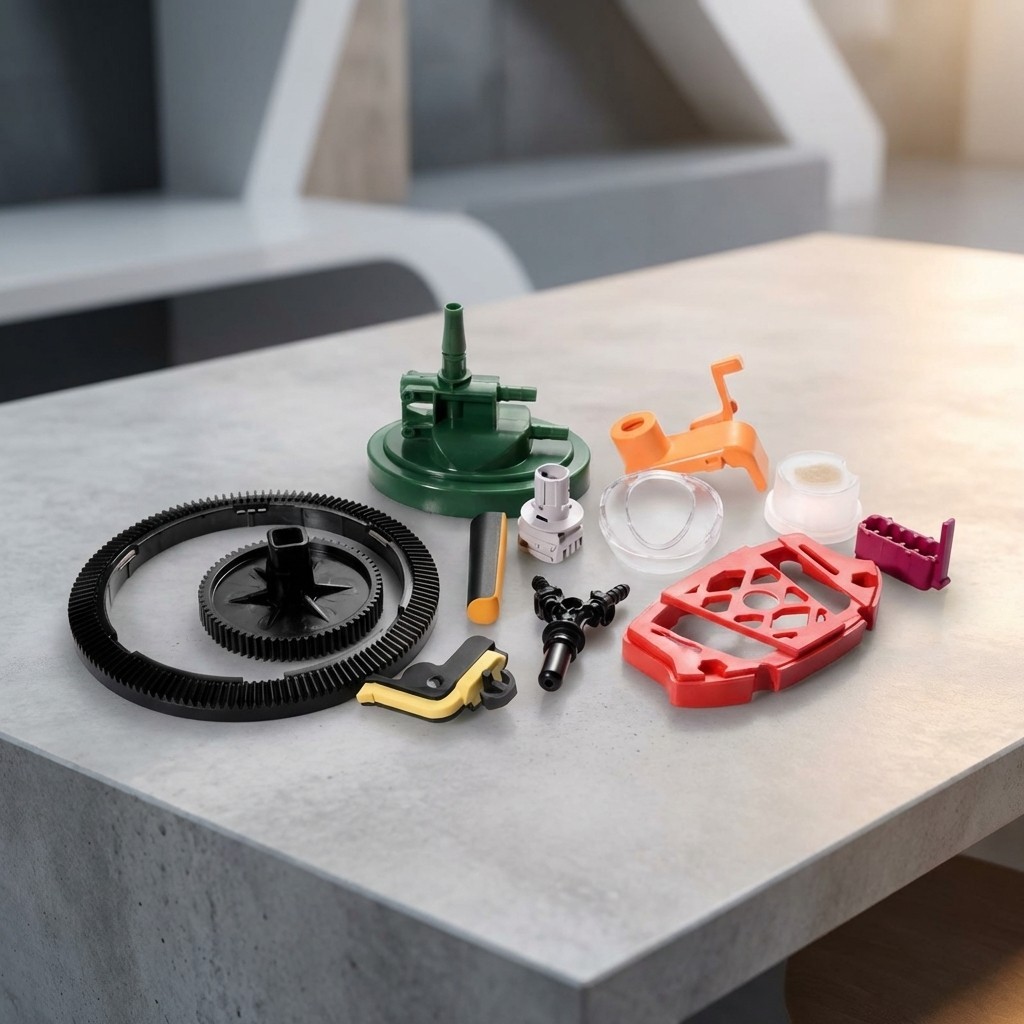
Rapid Tooling | Rapid tooling utilizing aluminium or soft steel moulds to inject real production material. | From 100 to 10,000 units. | ±0.05 mm to ±0.1 mm, allowing fine adjustments before mass production. | Validation of materials and pre-series before the manufacture of the final injection mold. | Drastically reduces time-to-market and investment risk by detecting design errors in the final process at a lower cost than a steel mold for high productivity. | |
Vacuum Forming | Ideal for large-surface enclosures, trays, and panels with constant wall thickness using extruded thermoplastic sheets. | From manual prototypes (1-10) to automatic industrial series (10,000+). | Moderate (±0.5 mm to ±1.0 mm), since the thickness of the wall varies according to the stretching of the sheet. | Packaging (blisters), vehicle interior panels, refrigerator casings and logistics trays. | Very economical tools compared to injection molding and the ability to manufacture large format pieces with a very light weight. | |
Metal Pressing | Forming process that uses presses and dies to cut, perforate or bend metal sheets by means of pressure. | Large volumes, typically from 5,000 units up to millions. | ±0.05 mm to ±0.2 mm depending on the thickness of the sheet and the complexity of the bending. | For thin sheet metal parts with high repeatability (connectors, supports, clips and light structural components). | Extremely low unit cost in large volumes and high production speed with minimal waste of material. | |
MIM (Metal Injection Molding) | Combining the geometric freedom of plastic injection moulding with the full strength of metal for small, intricate parts. | High production, generally higher than 5,000 units per year to amortize the equipment. | ±0.3% to ±0.5% of the nominal dimension (requires post-processing for more critical tolerances). | Parts with complex geometry and reduced size (watches, surgical tools, engine components). | Eliminates the need for complex machining in parts with intricate internal details, offering metal densities close to 98%. |
Quick Guide: Selection of Advanced Technology according to Priorities
Technology | Precision | Initial Cost | Tool preparation speed | Parts manufacturing speed |
|---|---|---|---|---|
Vacuum Casting | ⭐⭐⭐⭐ | 💶💶💶 | ⭐⭐⭐⭐ | ⭐⭐⭐ |
CNC Machining | ⭐⭐⭐⭐⭐ | 💶💶 | ⭐⭐⭐⭐ | ⭐⭐⭐⭐ |
Injection (Rapid Tooling) | ⭐⭐⭐⭐ | 💶💶💶💶 | ⭐ | ⭐⭐⭐⭐⭐ |
Vacuum Forming | ⭐⭐ | 💶💶💶 | ⭐⭐ | ⭐⭐⭐⭐ |
Metal Pressing | ⭐⭐⭐ | 💶💶💶💶 | ⭐ | ⭐⭐⭐⭐ |
MIM | ⭐⭐⭐⭐ | 💶💶💶💶💶 | ⭐ | ⭐⭐⭐⭐⭐ |
Precision: Quality of finishes and critical tolerances. Initial Cost: Ability to start the project with little investment in tools. Tool preparation speed: Speed to prepare manufacturing tools. Parts manufacturing speed: Speed of manufacture of the pieces once the tooling is ready.
CNC Machining and Vacuum Casting are the "winners" in terms of initial investment, since they do not require the manufacture of expensive molds to begin with. On the contrary, Metal pressing, Injection (Rapid Tooling) and MIM require a higher initial investment, although they then compensate with increases in mass productions.
3. Decision Matrix: Which Technology Fits Your Project?
Not sure which process to choose? The following matrix is designed to help you identify the ideal technology according to the critical objectives of your project. From the validation of a first aesthetic prototype to the scalability of an industrial series, we compare the best manufacturing options to optimize your costs and delivery times.
Application / Objective | Recommended Technology | Key Advantage (Why Choose It) |
|---|---|---|
Industrial Production (Scalability) | HP Multi Jet Fusion (MJF), SLS | Up to 5,000 units with isotropic properties and professional finish without molds, especially indicated for small pieces (<100 mm the largest of the maximum dimensions) |
Functional Prototyping | MJF, SLA, SLS o FDM | SLA for aesthetics; MJF/SLS/FDM for resistance tests and mechanical adjustment. Lots of up to 5,000 pieces for final use and of small size (<100 mm the largest of the maximum dimensions) |
Visual High Fidelity models | SLA (Resins) + Post-processing | Smooth surface finish ideal for technical painting in architecture and exhibitions |
Short Series and Pre-series (10-100 pcs.) | Vacuum Casting (Silicone) | Plastic and elastomer parts with minimal tooling cost. |
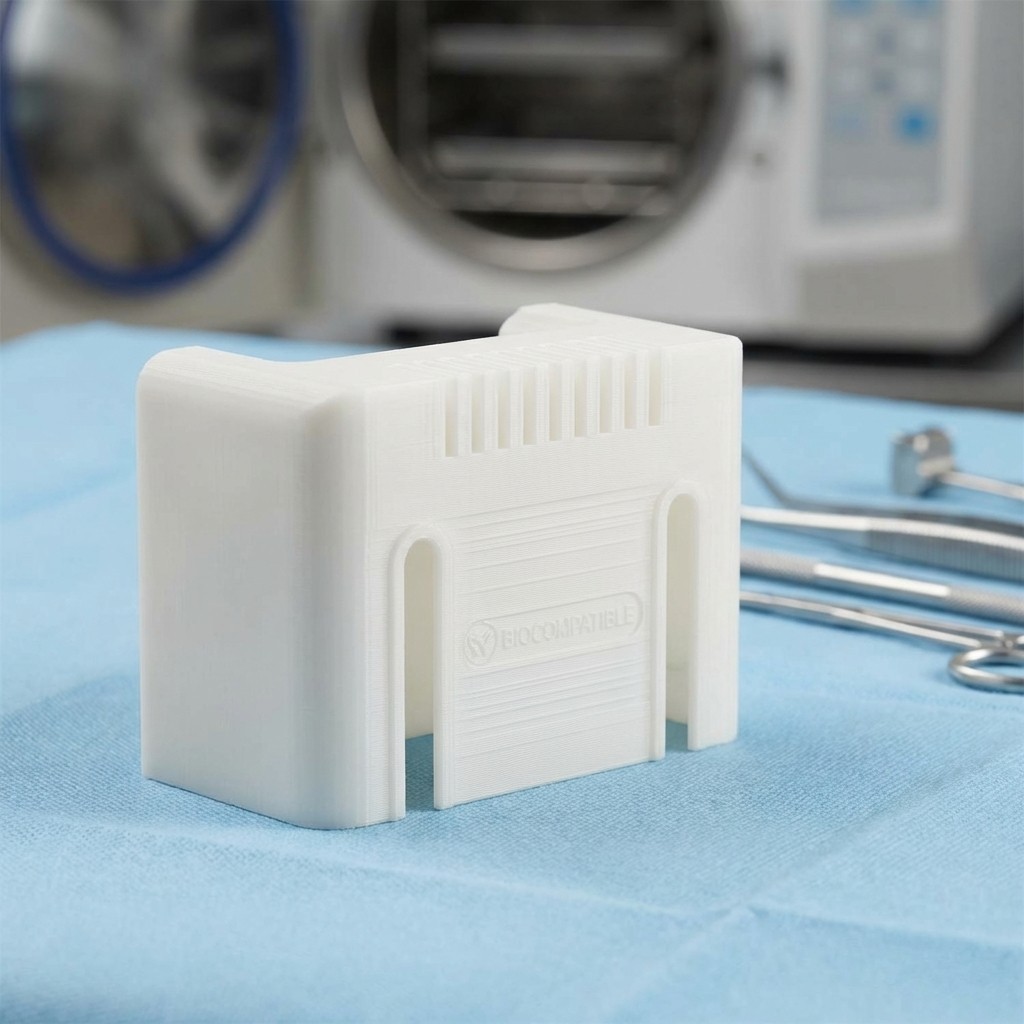
Medical and Pharmaceutical Sector (Biocompatible) | MJF (PA12), SLS or SLA Medical | Materials certified under USP Class I-VI and ISO 10993 regulations. |
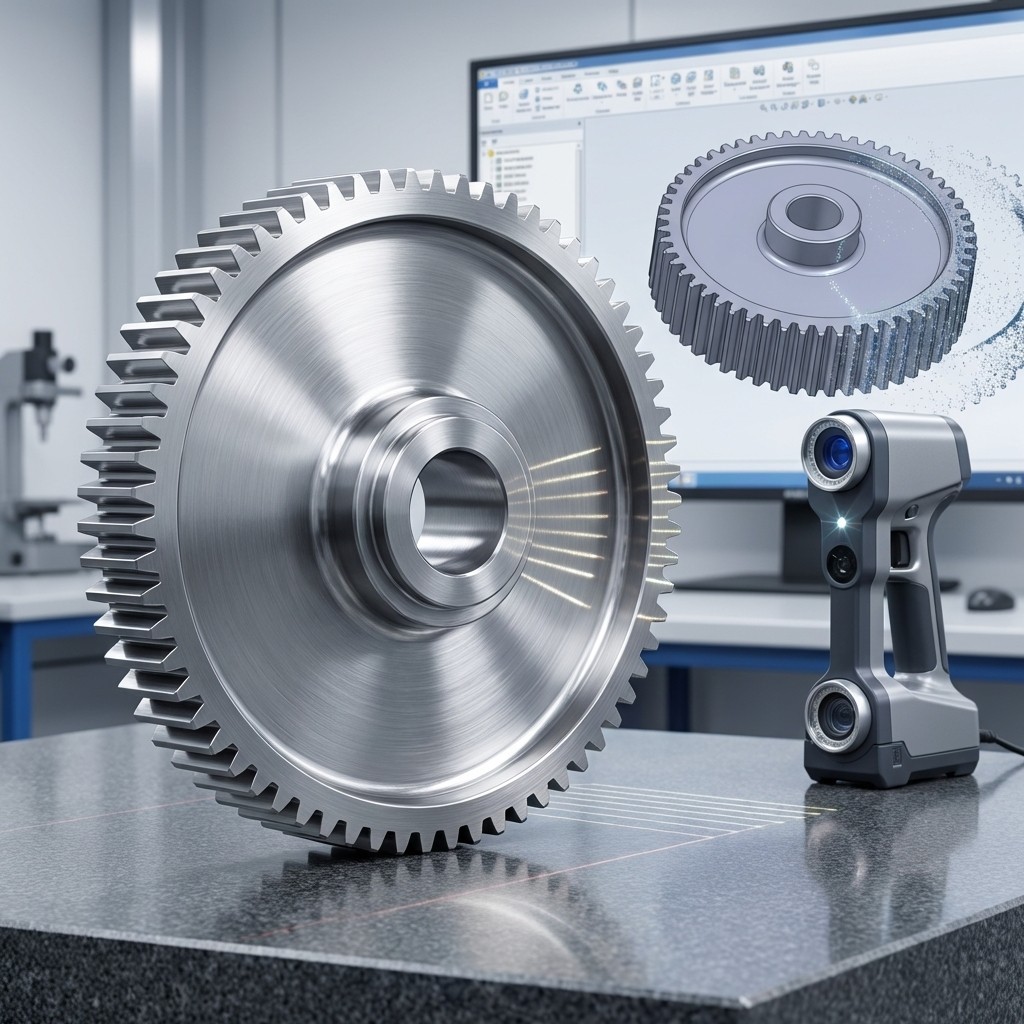
Legacy Parts / Reverse Engineering | 3D Scanning + MJF/CNC/SLS | Digitalize unavailable components and restore full industrial functionality in Nylon or Metal. |
Flexible and Elastomer Parts | Vacuum Casting (Polyurethane or silicone) | Allows you to select exact hardness (Shore A) and color |
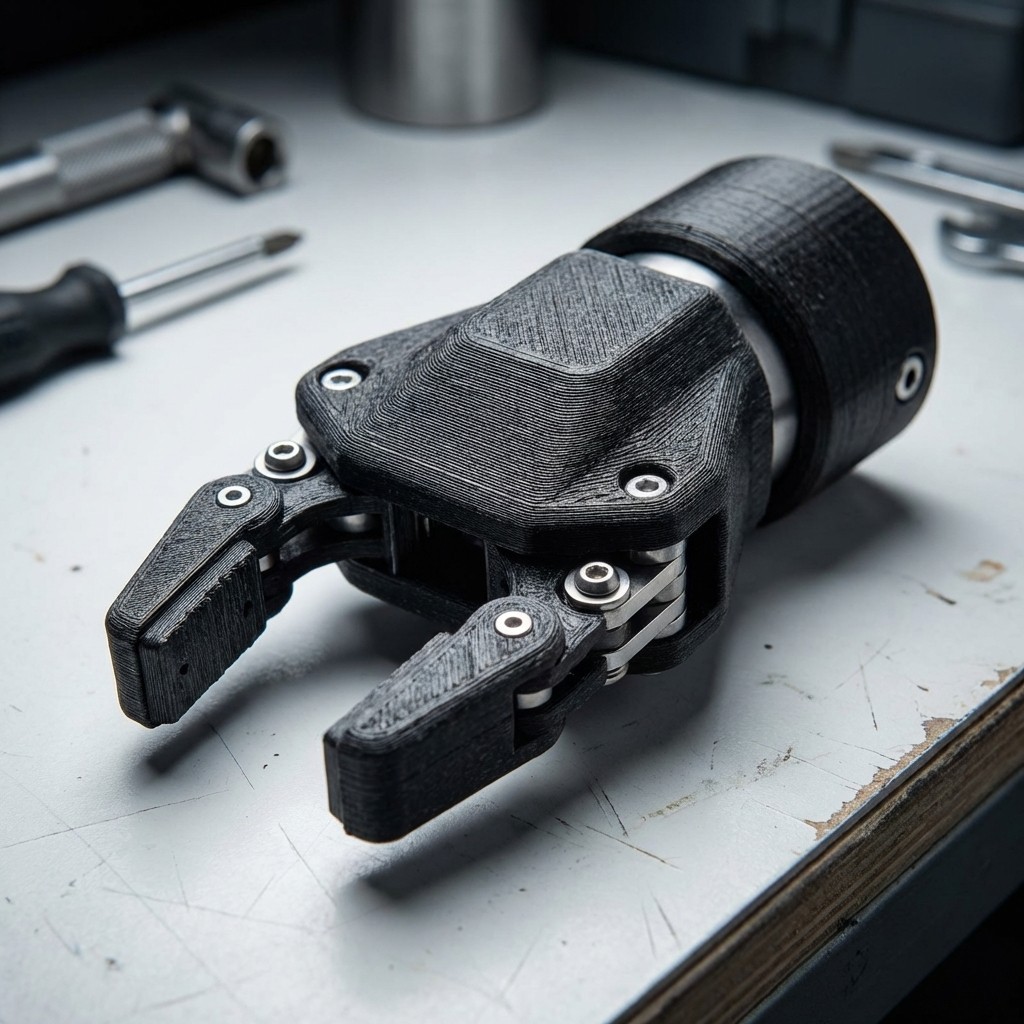
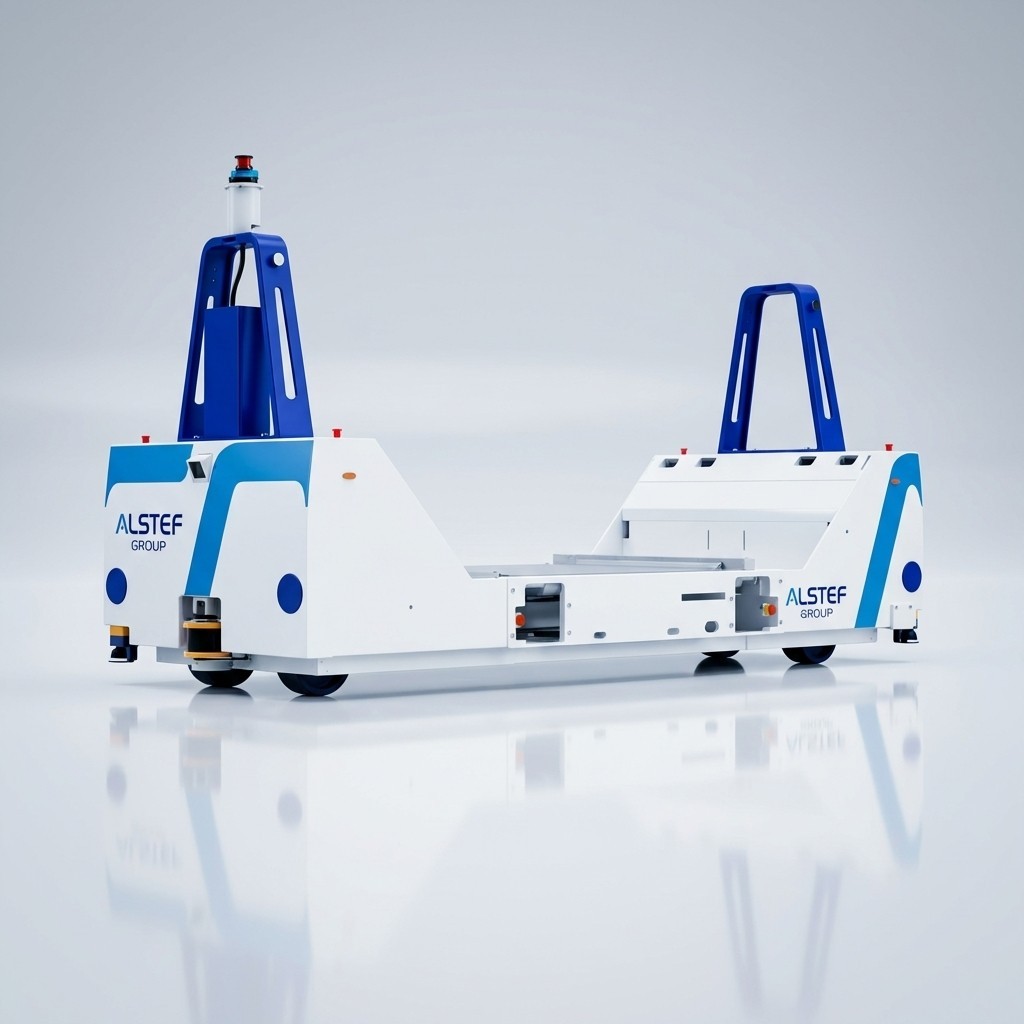
Jigs, Fixtures & Robotics | FDM (Carbon Fibre), MJF, SLS, CNC | FDM/MJF/SLS for weight reduction and ergonomic improvements; CNC for durable shop-floor tooling. |
High Complexity and Precision | SLM (Metal) or CNC | SLM for complex geometric optimization; CNC for centesimal adjustments, or a combination of both |
4. Estimated Global Shipping & Lead Times
Attention / Please Note: The indicated deadlines begin to count after the technical validation of the design (DFM) and confirmation of the order. Additional surface treatments (anodizing, painting, galvanized) can increase the time between 2 and 10 working days.
Manufacturing Technology | Standard Lead Time | Complexity / Variable Factor |
|---|---|---|
SLA 3D Printing | Small format Resin (SLA) → 2/3 business days Biocompatible resin (Formlabs 4BL) → 3 business days Large format Resin (SLA) → 4/7 business days | Number of supports, chemical washing and ultraviolet curing time. |
SLS 3D printing | Small format 2/3 working days Large format 4/7 working days | Occupancy volume in the chamber and natural cooling time of the manufacturing block. |
MJF 3D Printing | Small format 2/3 working days Large format 4/7 working days | Density of parts in the tray and cleaning or sandblasting processes. Natural cooling time of the manufacturing block. |
FDM 3D Printing | Small format 2/3 working days Large format 4/7 working days | Layer height (resolution), internal filling density. |
SLM 3D Printing | Sintering of metal 1/3 weeks | Thermal stresses, removal of supports and cutting of the manufacturing plate. |
Vacuum Casting | 5 - 15 days | Creation time of the master model, mold and number of copies. |
CNC Machining | Rapid prototypes: 7 working days Standard orders: 7 to 15 working days Large or complex orders: from 3 weeks to 3 months | Complexity of the geometry and type of material. |
Rapid Tooling | 3 - 5 weeks | Design of the cavity and material of the mold (Al/Ac) and of the piece to be manufactured. |
Vacuum Forming | 10 - 15 days | Manufacture of the matrix, depth of formation and thickness of the plastic sheet. |
Metal Pressing | 4 - 8 weeks | Manufacture and adjustment of the cutting/embossing die. Geometric complexity. |
Metal Injection Molding (MIM) | 6 - 10 weeks | Development of specific tooling and subsequent heat treatment. |
5. Frequently asked questions (FAQs)
Solve your technical questions about our manufacturing processes.
At Ineo we have the capacity to manufacture large format components, as a general term, we can indicate a maximum length of up to 3 meters. Our infrastructure allows us to tackle projects of industrial dimensions that require precision and robustness on a large scale.
As a reference of our capacity, we indicate some examples of pieces we manufacture:
- Automotive components: Parts the size of a complete car bumper.
- Technical and energy models: Large-scale structures, such as models of wind turbines over 2 meters high.
- Heavy transport: Structural and aesthetic parts for large buses.
To achieve these dimensions, we combine our large-volume 3D printing with other manufacturing technologies, allowing us to create optimized parts with invisible mechanical or chemical joints that maintain the integrity and resistance of the requested piece.
CNC machining allows for tolerances of one-hundredths of a millimeter (down to ±0.01 mm), ideal for bearing or thread fittings. HP Multi Jet Fusion (MJF) technology, on the other hand, offers industrial precision of approximately ±0.2 mm (per 100 mm), making it the more balanced option for complex functional parts.
Yes. From our main technical facility located in the Barcelona industrial area (Spain), we operate as a highly agile manufacturing and nearshoring hub serving clients across Europe and globally.
Being strategically situated in one of Europe’s primary industrial corridors allows us to guarantee reliable, fast transit times for international shipments. For instance, standard express courier deliveries to Central European destinations (such as Germany, France, or the UK) typically take just 24 to 48 hours once production is complete.
Furthermore, all our project management, design reviews (DFM), and technical consultations are conducted seamlessly in English and German. Distance is never a barrier; we bridge it with strict quality controls, transparent tracking, digital engineering workflow solutions, and international shipping protocols that ensure your custom components arrive safely at your facility, anywhere in the world.
Yes, our company is ISO 9001 certified. This international standard guarantees that all our manufacturing processes, from design reception to final delivery, meet the strictest quality controls and continuous improvement standards.
The quickest and easiest way is to complete our Online Quote Request Form. By using it, you'll ensure you send us all the necessary information so we can promptly process your request.
If you prefer, you can also email us at contact@ineo.es. In that case, please include the following information in your message so we can prepare a personalized quote:
- Indicate whether you are a company, self-employed, or an individual
- Purpose of the parts: Visual model, industrial use, food use, medical use, geometry verification, etc.
- The mechanical requirements you need (Hardness, flexibility, thermal resistance, etc.)
- Number of units you need manufactured
- Whether you need design (CAD/3D)
- The desired finish (polished, painted, stained, etc.)
- If you have CAD/3D files, please attach them (preferably in STEP (.stp, .step) or IGES (.igs, .iges) format; you can also send us STL and OBJ files).
Is your design ready for manufacturing?
We know that every project has unique technical nuances that a table can't always cover. If your part requires special tolerances, combined materials, or specific certification, our team is available to advise you.
Don't let technical questions hold you back. Send us your STL, OBJ, STEP (.stp, .step), or IGES (.igs, .iges) files now, and our engineering team will review them to offer you the most cost- and time-efficient solution. At Ineo, we transform your vision into real parts with the precision your industry demands.
INEO PROTOTIPOS S.L.
C/Avenc del Daví, 6 Pol.Ind.Can Petit
Terrassa, Barcelona 08227
Tel. +34 937 337 000
Email: contact@ineo.es
Web: https://www.ineo.es